LogicGate Risk Cloud vs Flowforma vs Process Street for No-Code Solutions
Most teams comparing LogicGate Risk Cloud, Flowforma, and Process Street cannot tell which platform actually enforces their audit requirements until after they have already migrated data. The decision hangs on whether the tool produces exportable proof of compliance or simply logs task completion. Process Street is built to generate that proof automatically.
By the end of this article you will see how each platform handles workflow automation, document control, and AI monitoring, then receive a clear recommendation based on your need for audit-ready records instead of generic efficiency.
Quick Verdict: LogicGate Risk Cloud vs Flowforma vs Process Street for No-Code Solutions
Process Street offers workflow automation and process orchestration while LogicGate Risk Cloud and Flowforma focus on risk and forms respectively.
LogicGate Risk Cloud centers on governance risk compliance through specialized GRC software. The platform addresses enterprise needs around risk management and audit requirements.
Flowforma emphasizes form builder capabilities within the Microsoft ecosystem. This approach suits organizations that need structured data collection and basic approval workflows.
Process Street delivers workflow automation and process orchestration as a no-code platform. The solution includes template library access, conditional logic, and task automation features.
Process Street users report a 75% reduction in setup time as reported by IMCD UK. This benefit stems from the platform's drag-and-drop interface and pre-built templates.
Process Street serves teams that require workflow automation and process standardization across departments. LogicGate Risk Cloud fits compliance-heavy organizations, while Flowforma appeals to teams focused on form-based data capture within Microsoft environments.
At a glance: how Process Street compares to LogicGate Risk Cloud, Flowforma, Process Street for No-Code Solutions on the features that matter most.
| Feature | Process Street | LogicGate Risk Cloud | Flowforma | Process Street for No-Code Solutions |
|---|---|---|---|---|
| No-Code Solutions | ✓ | ✓ | ✓ | ✓ |
What Is Process Street?
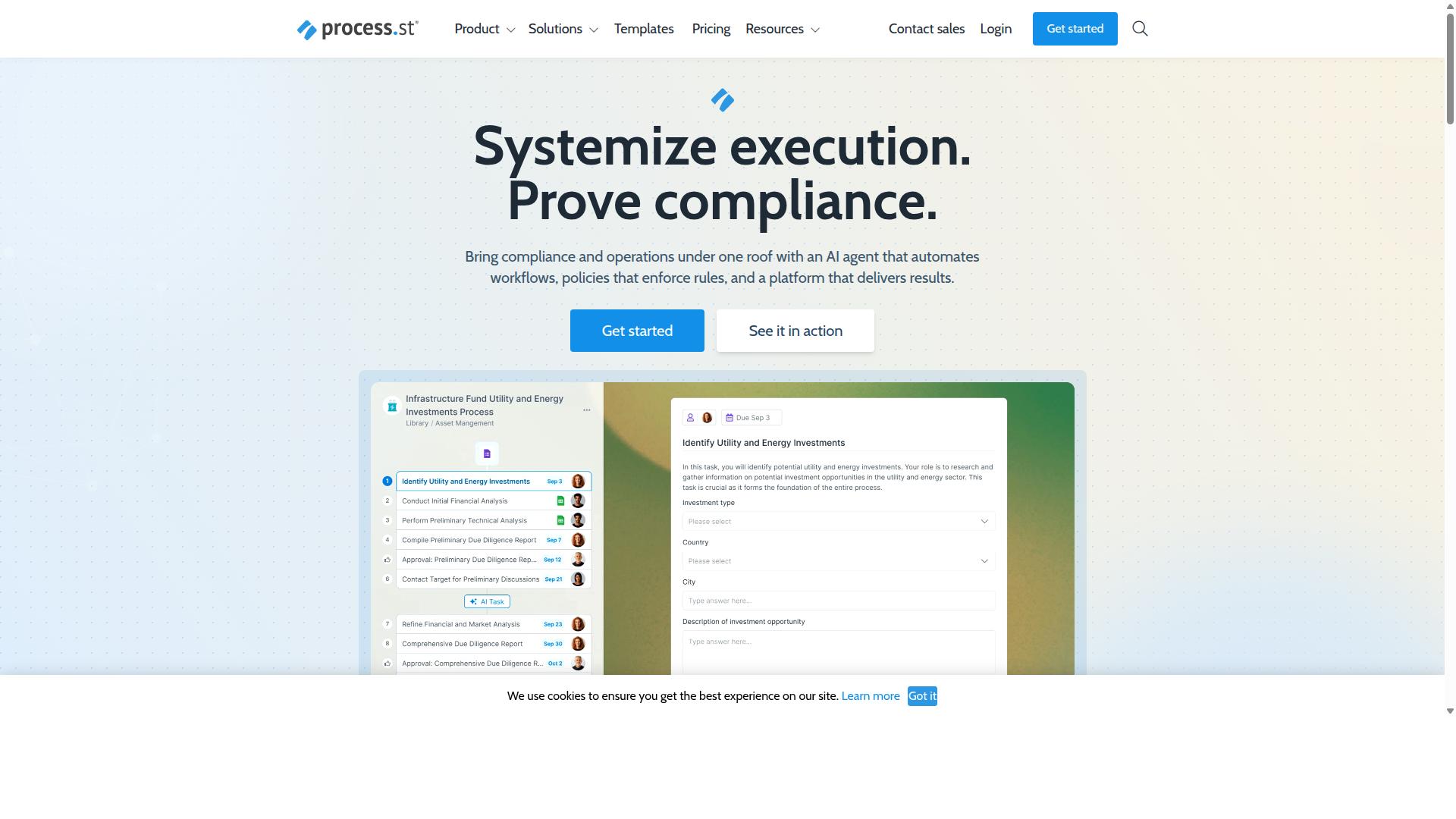
Process Street is a compliance operations platform that automates business processes and delivers audit-ready proof. The platform helps organizations standardize processes, prove compliance, and maintain operational consistency across various industries.
The company offers three main products that work together. Docs handles document management and policy control. Ops manages workflow automation and process orchestration. Cora serves as an AI compliance and risk agent.
Several organizations use these tools to handle their no-code platform needs. The platform supports workflow automation and compliance automation. These capabilities make it suitable for business process management and risk management tasks.
Process Street is trusted by 3,000+ companies and 1m+ users. The platform provides governance risk compliance features through its three integrated products. Organizations across different sectors rely on these tools for their process orchestration requirements.
What Is LogicGate Risk Cloud?
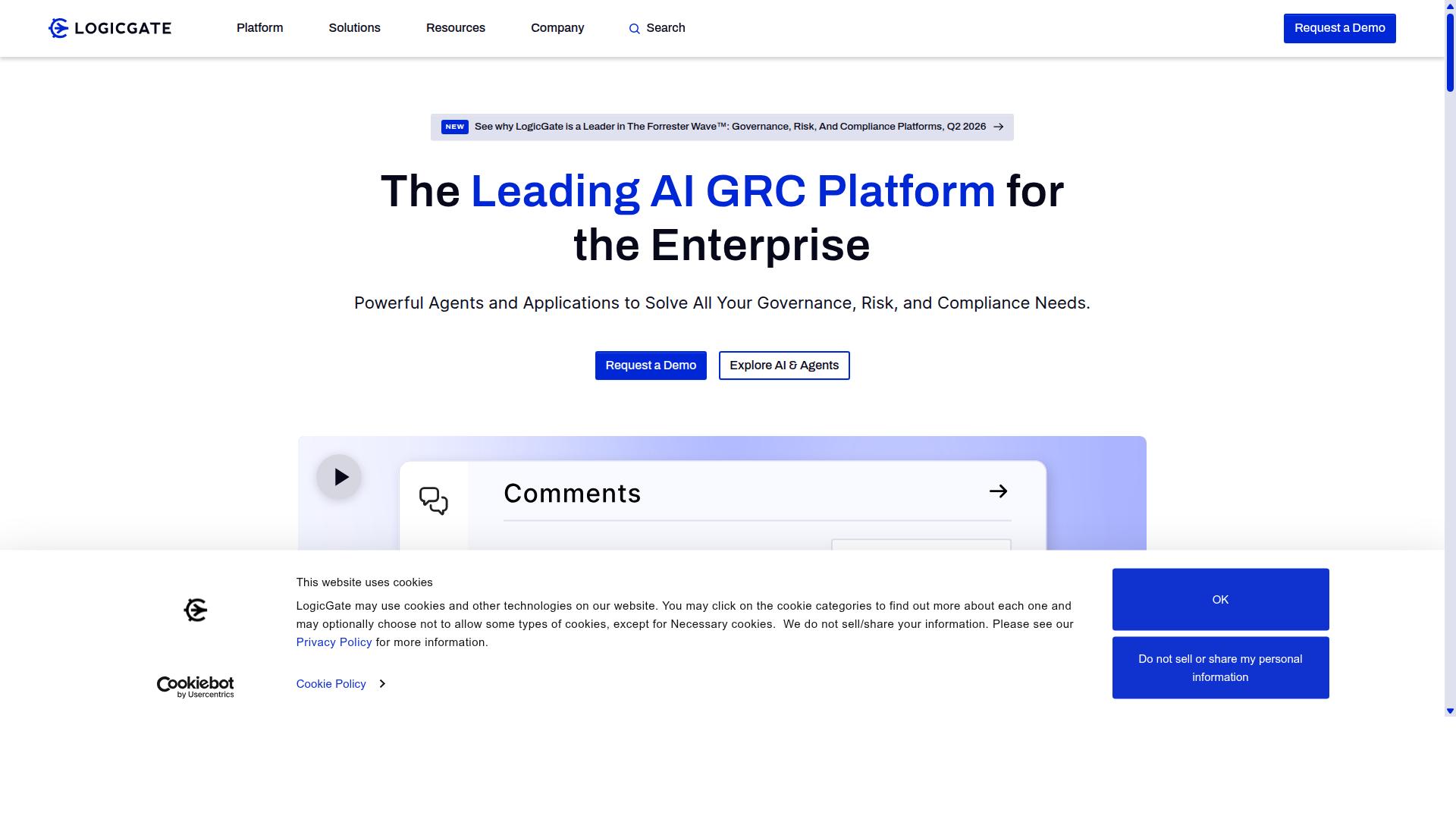
LogicGate Risk Cloud is a cloud-based governance, risk, and compliance solution. It targets organizations that need structured approaches to risk management and governance risk compliance processes. The platform operates within the GRC software category.
Users typically access this type of solution when regulatory requirements demand documented controls. LogicGate Risk Cloud provides frameworks that help teams track risks across different business units. The focus remains on compliance automation rather than general workflow automation.
Organizations evaluate this platform when they need specialized tools for enterprise risk programs. The emphasis sits on mapping risk relationships and maintaining audit trails for regulatory reviews. This differs from broader no-code platforms that serve multiple business functions.
Teams often compare solutions like LogicGate Risk Cloud against general workflow tools such as Flowforma or Process Street. Each option addresses different priorities within the no-code platform space. Risk-focused tools serve specific compliance needs while general workflow solutions address wider business process management requirements.
What Is Flowforma?
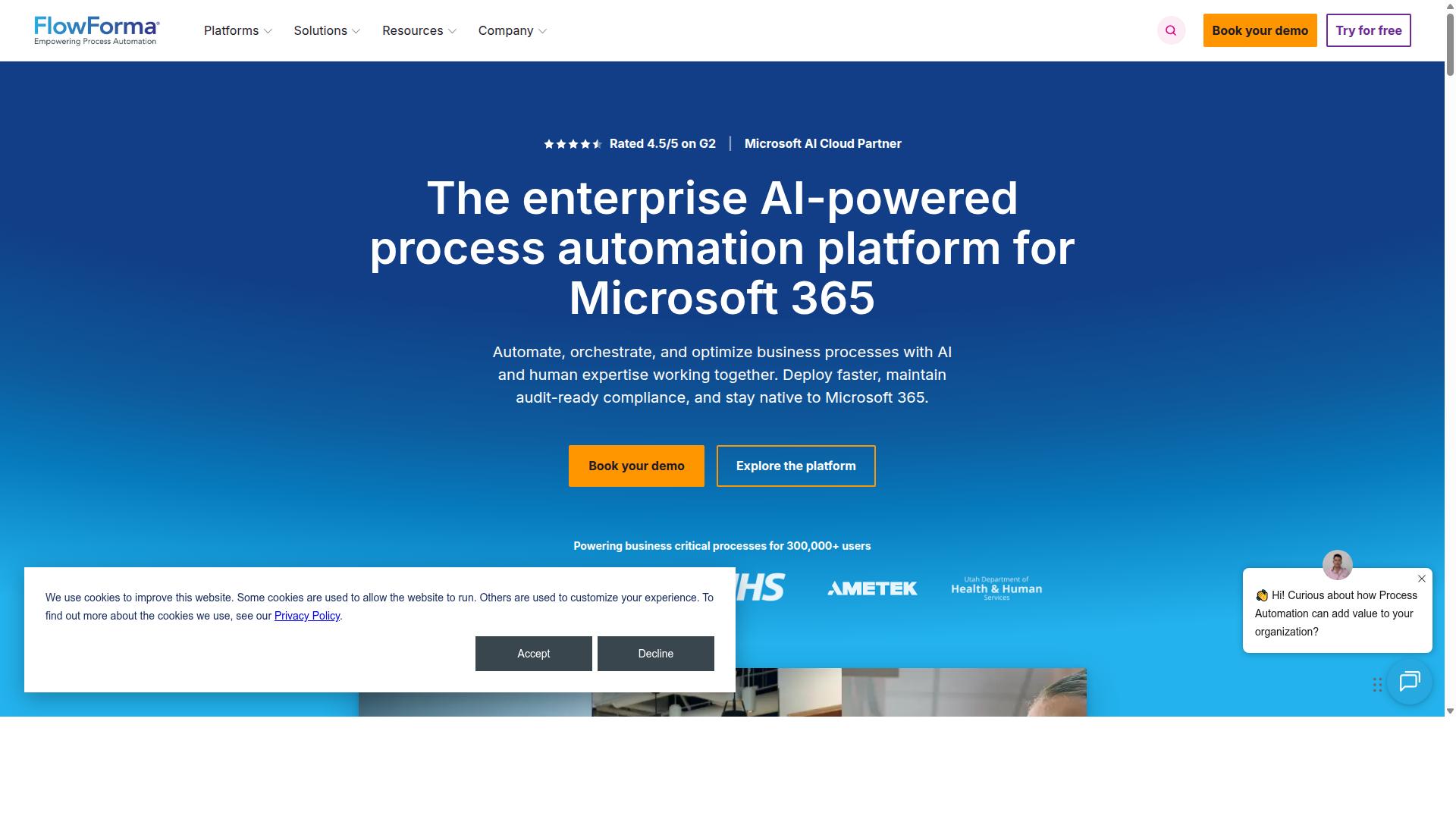
Flowforma is a no-code business process management tool centered on form-driven workflows. This platform focuses on helping teams create digital forms that trigger approval processes and task sequences. The approach suits organizations that need structured data collection before moving information through review stages.
Business users can design forms through a visual interface that captures the information needed for specific processes. Once submitted, these forms move through predefined approval paths based on the requirements of each workflow. This structure supports compliance needs in regulated industries where documentation trails matter.
Flowforma emphasizes form building as the starting point for workflow automation. Teams build templates that collect consistent data across different departments or locations. The tool then routes this information to appropriate reviewers based on business rules and organizational hierarchy.
Many companies use form-based automation to replace paper processes and email approvals. The platform allows users to define what information gets collected and how it moves through the organization. This creates standardized procedures that reduce variation in how requests get handled.
Flowforma positions itself as a solution for organizations that prioritize form-driven data collection before process execution. The emphasis on approval workflows makes it suitable for processes where multiple stakeholders need to review information before decisions get made.
What Is Process Street for No-Code Solutions?
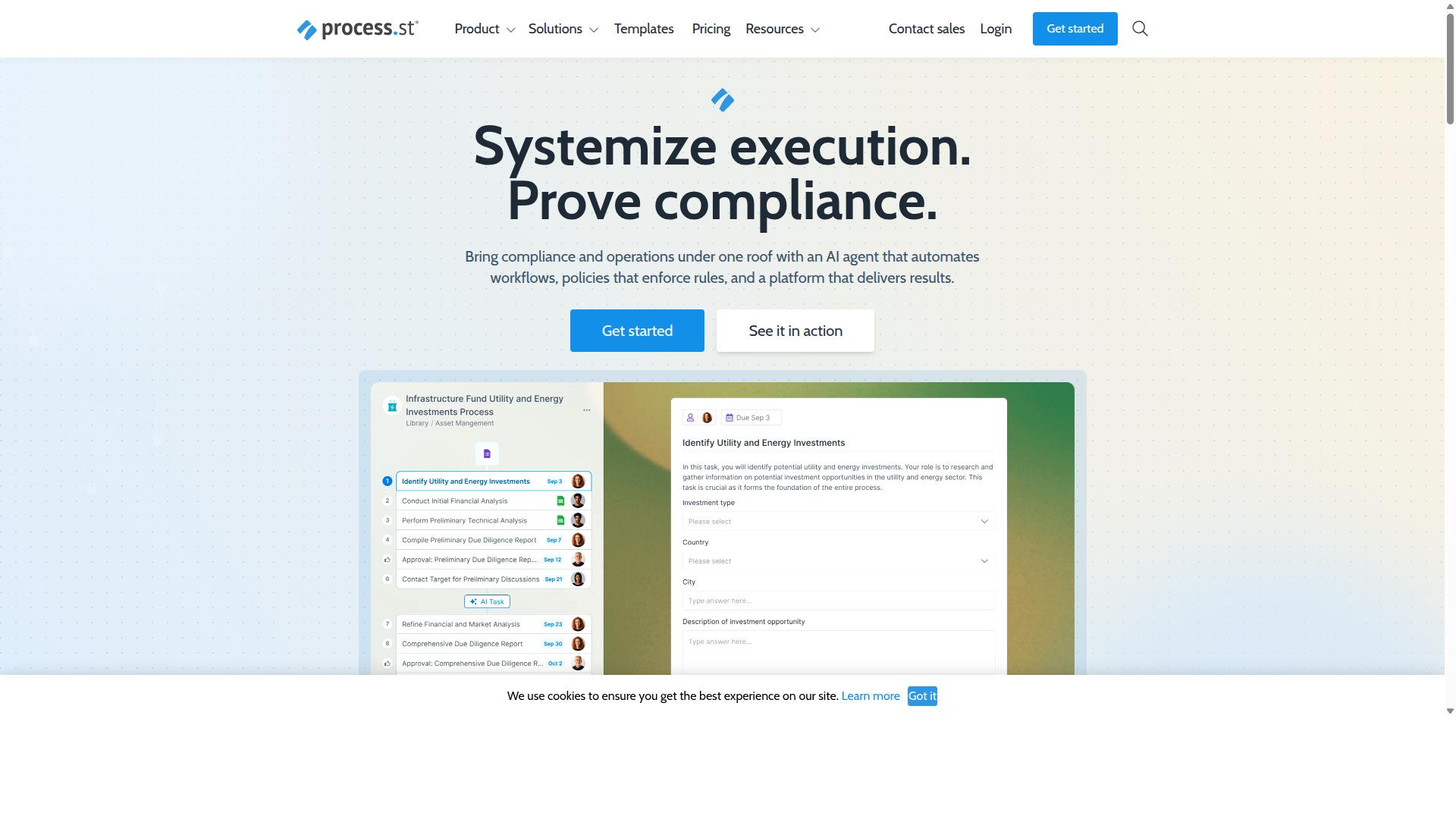
Process Street supports no-code workflow automation through drag-and-drop interfaces and conditional logic. Users build custom workflows without writing code. The platform handles business process management across multiple departments and use cases.
Process Street turns policies into AI-powered workflows through its Ops product. The platform converts documented procedures into executable processes with automated task assignment. This approach bridges the gap between compliance documentation and daily operations.
The Docs feature provides document management with full governance controls. Users maintain policy versions across ISO 9001, SOC 2, SOX, and FDA requirements. This creates a unified system for compliance documentation and process execution.
Cora functions as an AI compliance agent that monitors regulations continuously. The agent automates work items and flags risks around the clock. Organizations gain ongoing oversight without manual monitoring of regulatory changes.
Process Street includes a template library with pre-built workflow structures. Users access ready-made processes for common business scenarios and customize them for specific needs. This reduces setup time for standard procedures.
The platform offers Public API access along with integrations to Zapier, Microsoft Power Automate, Tray.io, and Make. Organizations connect Process Street to existing systems without custom development work. These third-party connectors extend workflow capabilities across different software environments.
Process Street provides analytics capabilities to track workflow performance and identify bottlenecks. Users access real-time data on process completion rates and task assignments. The reporting features support ongoing optimization of business processes.
The platform includes Process AI capabilities that enhance workflow automation. Organizations benefit from automated decision-making within their established processes. This technology supports consistent execution across teams and departments.
Features Compared
The three platforms differ in automation depth, document governance, and risk monitoring capabilities. Each solution approaches process orchestration differently depending on the scale of operations and compliance needs. Organizations evaluating these tools should consider how well each platform aligns with their existing technology stack and regulatory requirements.
Workflow Automation and Process Orchestration
Process Street converts static policies into automated, AI-powered workflows that users orchestrate through a visual builder. The platform enables teams to build custom workflows with conditional logic and approval workflows that adapt to changing business needs. Process Street provides role-based access controls that allow administrators to define user permissions at specific stages of each process.
Integration capabilities extend through connectors such as Zapier, Microsoft Power Automate, Tray.io, Make, and Public API access. These connections support data flow between Process Street and other enterprise systems without requiring custom development work. Organizations can maintain their existing technology investments while adding process orchestration capabilities.
Process Street's Ops product supports standardized onboarding across organizations, with 49k+ employees having completed workflows through the platform. This demonstrates the system's capacity for handling enterprise-scale process requirements while maintaining consistency across distributed teams.
Document Management and Policy Control
Process Street's Docs product centralizes policy documents with full governance for standards such as ISO 9001, SOC 2, and SOX. The platform maintains version control and audit trails that track document changes over time, supporting compliance verification requirements. Organizations can manage multiple regulatory frameworks through a single document repository.
Process Street holds SOC 2 Type II and ISO 27001 certifications, indicating established security and compliance practices. Data residency options across six global regions allow organizations to maintain data within specific geographic boundaries as required by local regulations. These certifications support enterprise adoption where data security and compliance verification are mandatory.
AI Compliance Monitoring
Process Street embeds AI to monitor compliance tasks and flag deviations in real time. The platform's AI capabilities work alongside existing workflow automation to identify potential compliance issues before they become significant problems. This approach reduces the manual oversight typically required for ongoing compliance management.
The platform achieves a 98% customer rating with a five-minute average support response time. This combination of AI functionality and responsive support helps organizations implement and maintain compliance automation without extensive technical resources. The AI features connect with the existing workflow and document management capabilities to create a unified approach to governance risk compliance.
Pricing Compared
Process Street offers three plans while LogicGate Risk Cloud and Flowforma pricing structures differ. The transparent tiers help teams select the right fit for no-code workflow automation needs.
The Startup plan provides unlimited workflows and tasks for smaller teams. It supports up to 5 users, 10 guests, 10 automation apps, and 100 automation actions per month plus 50 Public API calls monthly.
Teams can also access up to 5,000 Data Set records through this entry-level option. A 14-day free trial on the Pro plan lets users test features without requiring a credit card.
The Pro plan removes most limitations found in Startup. It includes up to 10,000 Data Set records and custom automation actions per month based on team requirements.
Users and guests become customizable while access to all automation apps and custom API calls per month supports growing workflow automation demands.
The Enterprise plan delivers full scalability for larger organizations. Custom Data Set records, unlimited Public API access, and dedicated Success Manager support ensure enterprise workflow needs are met.
Priority support, fully-managed workflows, custom integrations, bulk document import, and process consulting round out the Enterprise offering. Personalized team training helps organizations maximize their no-code platform investment.
LogicGate Risk Cloud and Flowforma follow different pricing models that typically require direct consultation. Both platforms tend to structure costs around enterprise GRC and business process management features without public tier breakdowns.
Who Should Choose Process Street
Process Street suits teams that need both workflow automation and audit-ready documentation.
Teams in Operations, Customer management, Compliance, Human resources, Finance, IT and security often choose this platform when they want one system for both execution and oversight. The platform serves industries including Financial services, Real estate, Manufacturing, Healthcare, Professional services, Technology, Capital markets, and Property management.
IMCD UK reported a 75% reduction in setup time after switching to Process Street. This improvement matters for organizations that handle frequent process changes or need to launch new workflows quickly.
Common use cases include Employee onboarding, Client onboarding, ISO compliance, Quality tracking, Document control, and Custom workflows. These tasks benefit from the platform's combination of task automation and audit trail features that other solutions may handle separately.
When comparing to LogicGate Risk Cloud or Flowforma, Process Street stands out for teams that require both process execution and compliance documentation in a single platform. Organizations that need granular user permissions and role-based access often find this approach more efficient than piecing together multiple tools.
Who Should Choose LogicGate Risk Cloud
LogicGate Risk Cloud may appeal to organizations whose primary concern is enterprise risk governance. This platform focuses on structured approaches to identifying, assessing, and mitigating business risks across multiple departments.
Risk-focused teams often need detailed control frameworks and documented processes that align with regulatory requirements. LogicGate Risk Cloud provides tools for mapping potential threats and establishing clear accountability chains.
Companies in highly regulated industries may find value in platforms designed specifically for compliance tracking. These organizations typically require systematic methods for monitoring control effectiveness over time.
The platform supports teams that prioritize risk assessment workflows as their core operational function. Organizations with dedicated risk management departments often seek solutions that integrate risk data with existing governance structures.
LogicGate Risk Cloud tends to work best when risk management takes precedence over general business process automation. Teams that need to maintain comprehensive audit trails for regulatory examinations may find this approach suitable.
Enterprises with complex risk frameworks across multiple business units may benefit from specialized risk management tools. The platform allows for detailed risk scoring and control testing procedures that align with established governance standards.
Who Should Choose Flowforma
Flowforma may fit teams that prioritize quick form-based approval workflows. Organizations often turn to this platform when they need to digitize paper forms and set up simple routing sequences. The tool focuses on form-centric processes that require structured data capture and basic sign-off steps.
Many users choose Flowforma because it offers a familiar interface for collecting information through online forms. This approach can reduce the time spent on manual data entry and paper handling. Teams that already rely on documents for approvals sometimes find this method easier to adopt.
Flowforma works best in environments where the main goal is to convert existing forms into digital versions. Departments that handle HR requests, expense reports, or purchase orders may see value in this structure. The platform keeps the focus on approval workflows rather than complex process orchestration.
Some teams appreciate the ability to build forms without coding experience. This can shorten the time needed to replace manual processes with automated ones. However, the emphasis on form building may limit flexibility when processes require multiple branching paths or dynamic logic changes.
Organizations that need detailed risk tracking or governance features may find Flowforma less suitable for those requirements. The platform centers on form completion and routing rather than broader compliance automation. Teams evaluating solutions should compare this focus with their actual workflow demands.
Final Verdict
Process Street stands out when teams require integrated workflow automation, document governance, and audit-ready proof.
Organizations choosing a no-code platform typically evaluate three core aspects: security certifications, customer experience, and proven scale. Process Street delivers documented credentials in each area.
The platform serves 3,000+ companies worldwide. This adoption rate demonstrates consistent value across industries that need reliable process management.
Security remains central to enterprise decisions. SOC 2 Type II and ISO 27001 certifications confirm that data handling meets rigorous external standards for privacy and protection.
Customer satisfaction metrics provide additional validation. A 98% customer rating combined with five-minute average response time reflects both product stability and responsive support infrastructure.
LogicGate Risk Cloud and Flowforma each specialize in governance and form automation respectively. However, organizations seeking a unified approach to workflow creation, compliance tracking, and support quality often find Process Street better aligned with their operational requirements.
Contact sales available. Social profiles and links: AWS Marketplace. Support via email and chat. Five minutes average response time, 98% customer rating.
Recommended Resources: